
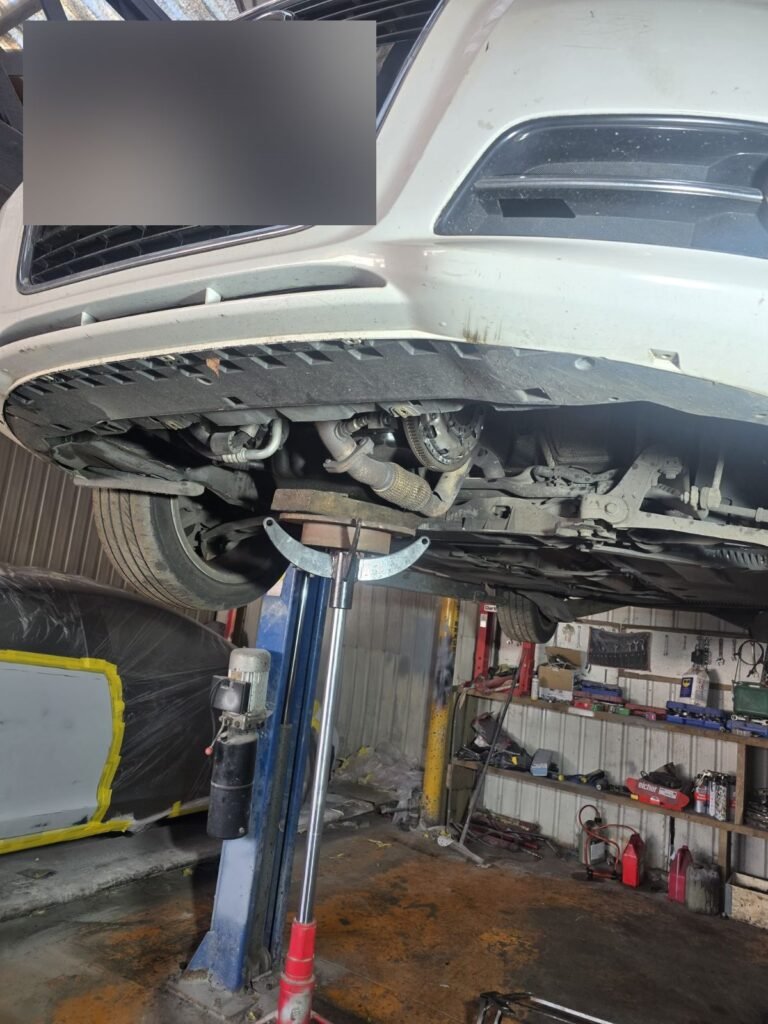
The engine management light is the warning that worries drivers most, partly because it does not tell you what is wrong. It can come on for something as minor as a loose dipstick or for a fault that will damage the engine if you keep driving. Knowing what the light is telling you, and what to do next, can save you a lot of trouble.
This guide explains what the engine management light means, the difference between a steady and a flashing light, some common causes, when you should stop driving, and what a diagnostic check can and cannot tell you.
What is the engine management light?
The engine management light, sometimes called the check engine light or EML, is usually shaped like the outline of an engine. It is controlled by the engine control unit (ECU), the computer that runs the engine. The ECU constantly checks readings from sensors around the engine, fuel system and exhaust. When a reading falls outside the expected range, or a sensor stops working, the ECU stores a fault code and switches on the light.
It is normal for the light to come on for a moment when you switch on the ignition and then go out. That is the car checking the bulb. If it stays on, or comes on while you are driving, the car has detected a problem.
The engine management light is different from other warnings. A red oil-can symbol means low oil pressure, a red thermometer means the engine is overheating, and on diesel cars a coil-shaped glow plug light has its own meaning. If you see one of those, check your handbook straight away. Our guide to why a car loses coolant covers overheating in more detail.
Steady or flashing: what the difference means
A steady amber light
A steady amber light usually means a less urgent fault, often something affecting emissions or a sensor reading. In most cases you can carefully finish your journey, but you should have the car checked as soon as possible rather than waiting for the light to go out. Avoid hard acceleration and high engine speed until it has been looked at.
A flashing light
A flashing engine management light is more serious. It often points to a misfire, where fuel is not burning properly in one or more cylinders. Unburnt fuel can pass into the exhaust and overheat the catalytic converter, which is an expensive part to replace. If the light is flashing, reduce your speed, avoid heavy loads and get the car checked straight away. If the engine is also shaking, losing power or running roughly, pull over when it is safe and switch off.
A red light, or a light with other symptoms
Some cars show a red engine warning for serious faults. Whatever colour the light is, stop as soon as it is safe if you also notice any of these:
- a big loss of power, or the car going into a reduced-power mode (often called limp mode);
- heavy shaking, knocking or new loud noises from the engine;
- smoke, a smell of burning or a strong fuel smell;
- the temperature gauge rising or another red warning light coming on.
Continuing to drive with these symptoms can turn a repairable fault into a much bigger one. If the car is not safe to drive, ask about vehicle recovery and collection, subject to availability.
Common causes of an engine management light
There are many possible causes, which is why the light on its own is not enough to say what is wrong. Some of the more common ones are:
- Oxygen (lambda) sensors. These measure the exhaust gases so the ECU can adjust the fuel mixture. A faulty sensor, or a mixture that is running too rich or too lean, can trigger the light.
- Ignition faults on petrol cars. Worn spark plugs or a failing ignition coil can cause misfires, and are a common reason for a flashing light.
- Air intake problems. A faulty mass airflow sensor, a split or loose intake pipe, or a blocked, damaged or missing air filter can upset the fuel and air balance.
- Diesel particulate filter (DPF). On diesels, the DPF traps soot from the exhaust. If it becomes blocked, or the sensor that monitors it fails, the light can come on. Lots of short journeys make blockages more likely.
- EGR valve. The exhaust gas recirculation valve can stick with carbon build-up, particularly on diesels.
- Catalytic converter. A failing catalytic converter, often after misfires, can trigger the light.
- Wiring and connections. A damaged wire, corroded connector or loose plug can make a perfectly good sensor look faulty.
- Something simple. A dipstick that has not been pushed fully home after checking the oil can sometimes trigger the light.
These are only possibilities. Two cars with the same light can have completely different faults, and some cars are prone to particular problems, so the only way to know is to investigate the actual car.
What a diagnostic scan can and cannot tell you
Modern cars have an on-board diagnostics (OBD) socket, usually under the dashboard. A diagnostic tool plugged into it can read the fault codes the ECU has stored and, with suitable equipment, show live readings from the engine’s sensors.
What a scan can show
- which system or circuit reported the problem;
- whether the fault is current or happened earlier and has since stopped;
- live sensor readings, which help to narrow down where the problem is.
What a scan cannot show on its own
A fault code is a starting point, not an answer. A code that says a sensor is reading wrongly might mean the sensor has failed, but it could also be the wiring to it, a connector, or a genuine problem with whatever the sensor is measuring, such as an air leak. Replacing parts based only on a code can mean paying for parts the car did not need.
Clearing the code will usually switch the light off, but it does not fix anything. If the fault is still there, the light will come back on, and clearing it also wipes useful information about when the fault happened.
Why a proper inspection matters
Finding the real cause usually means combining the fault codes with what you have noticed and a physical check of the car: looking for split hoses, damaged wiring, leaks and worn parts, and testing the suspect components. That is how we approach diagnostic work. We start with what you have noticed, inspect the car, explain what we find in plain language and agree any repair with you before we start. You can read more on our engine diagnostics page.
Some faults are linked to maintenance, such as worn spark plugs or a blocked air filter. If your car is due a service, our car servicing page explains what we offer.
What to tell us when you book
A few details help us find the fault faster:
- when the light came on, and whether it is steady or flashing;
- whether the car feels different: less power, rough running, hesitation, noises or smells;
- whether it happens all the time or only when the engine is cold, at speed or under load;
- any recent work on the car, or anything that happened just before, such as refuelling or a long motorway drive.
A short phone video of any noise or rough running can help too.
Engine diagnostics in Birmingham
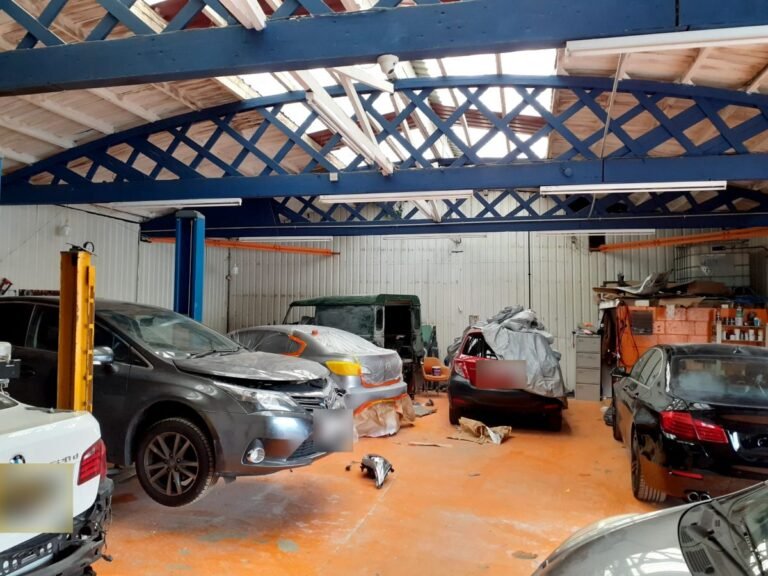
All our diagnostic and mechanical work is carried out at our garage on Springfield Road, Birmingham B13, for drivers across Birmingham and nearby areas such as Solihull. Alongside diagnostics we carry out mechanical repairs, servicing, brakes and suspension work.
Frequently asked questions
Can I drive with the engine management light on?
If the light is steady amber and the car feels normal, you can usually drive carefully to have it checked, but do not ignore it. If the light is flashing or red, or the car is losing power, shaking or making new noises, stop when it is safe and get help.
Why is my engine management light flashing?
A flashing light often means a misfire, which can damage the catalytic converter if you keep driving. Slow down and get the car checked straight away.
Will the light go off by itself?
It can, if the fault was temporary. Even then, the fault code is usually stored, and a light that comes and goes is still worth investigating, because intermittent faults often get worse.
Can you tell what is wrong just by reading the code?
The code tells us where to start looking, not always which part has failed. We use it together with your description and a physical inspection to find the cause before recommending a repair.
Book an engine diagnostic
If your engine management light is on, send us a booking request and choose Engine diagnostics, or call or WhatsApp us on 07300 506756. Tell us whether the light is steady or flashing and how the car is driving. We will agree the work with you before we start. Directions are on our contact page.